Over 1000 bite-sized learning assets
In a convenient searchable library. Plus over 40 full topic-focused curricula.
4C Workforce Solutions
Train-the-Trainer weaves moments of skill and resilience building into the workflows you already have — turning everyday staff meetings into opportunities for learning, connection, and growth.
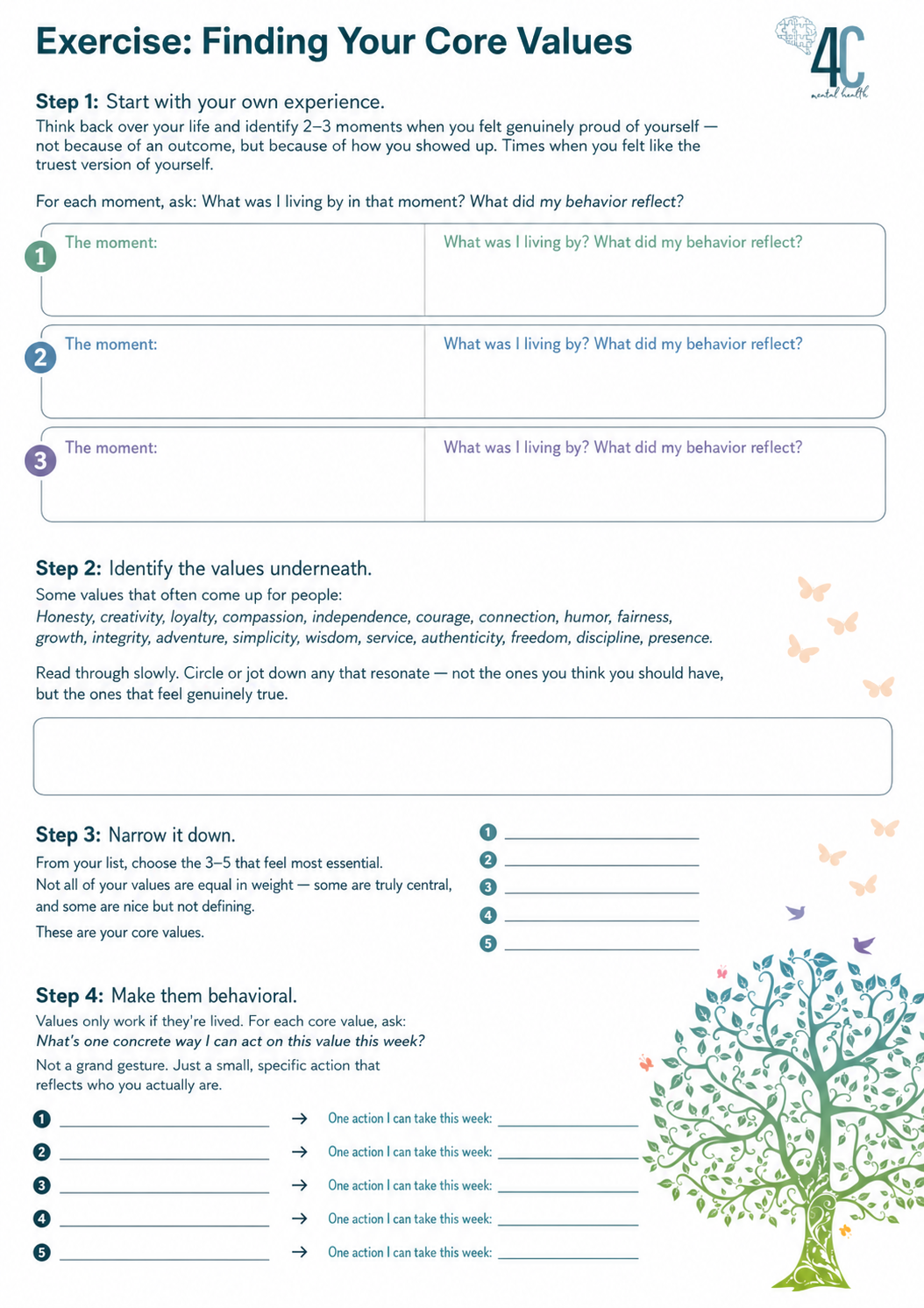
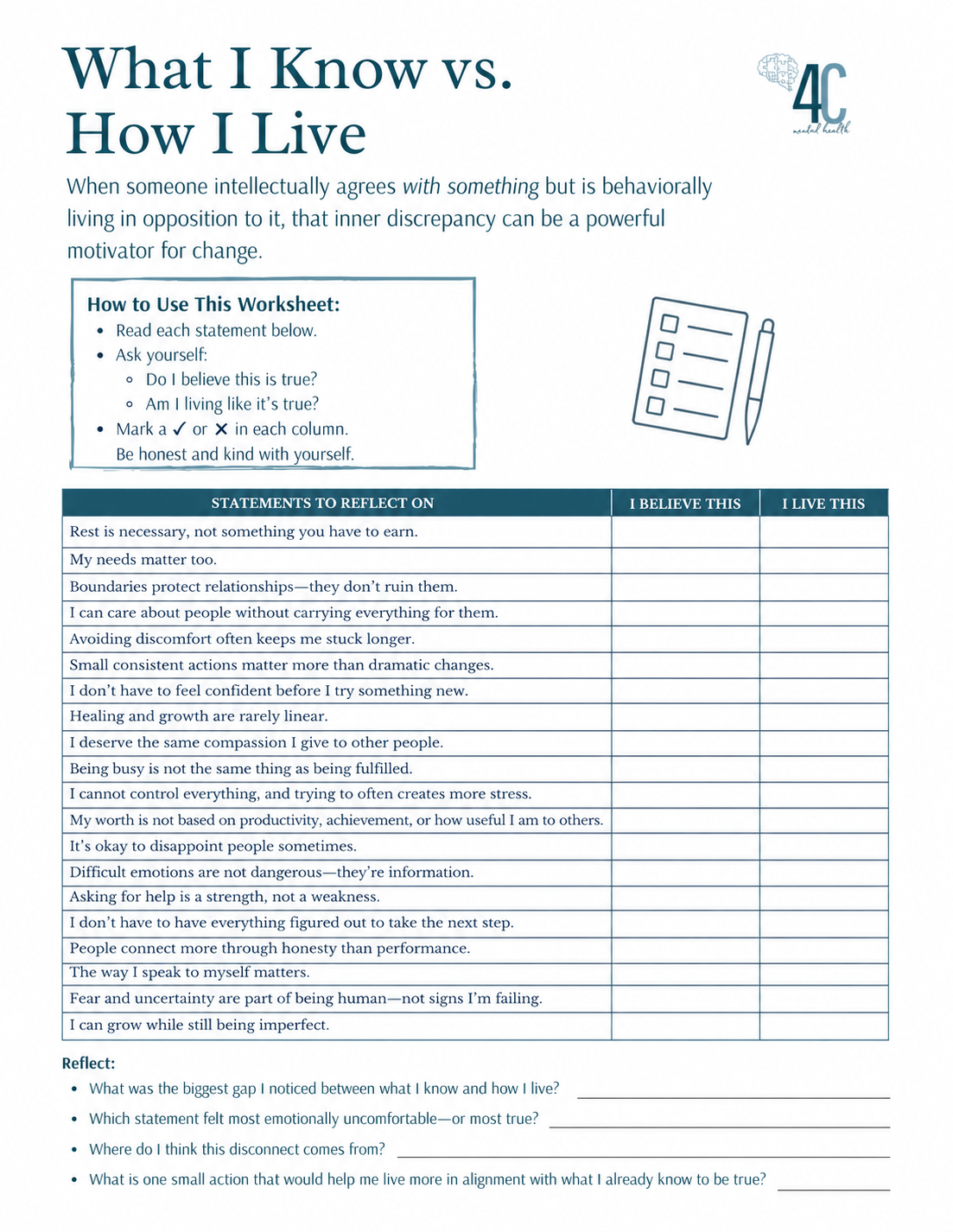
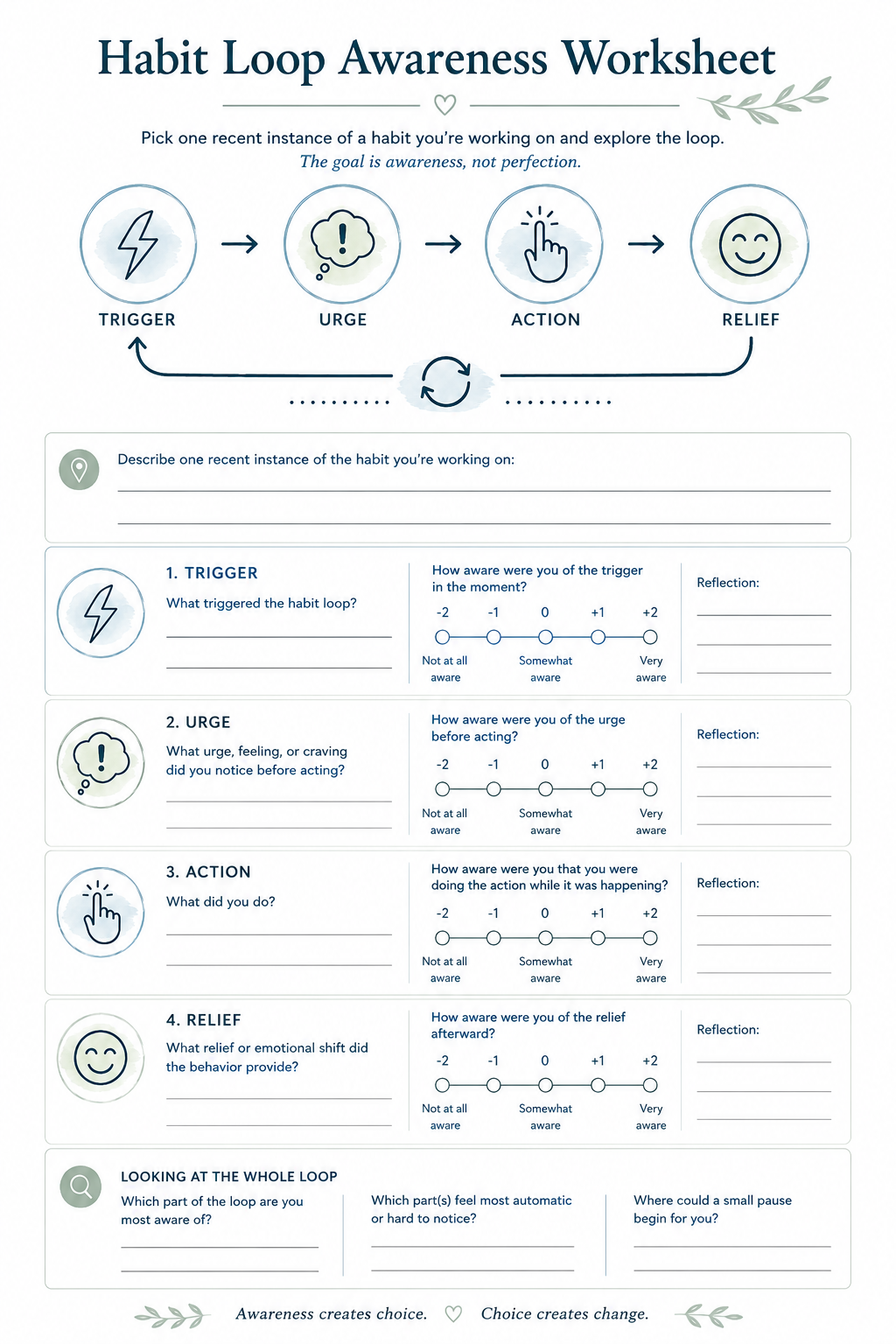
4C makes it easy. We provide the content, structure, and guidance. Your team brings the conversation.
In a convenient searchable library. Plus over 40 full topic-focused curricula.
Practical mental health education grounded in established approaches, including CBT, ACT, DBT, trauma-informed care, communication, and resilience.
Short videos, experiential exercises, case studies, discussion prompts, and facilitator talking points—all organized into usable learning experiences.
How it works
Choose 1–5 staff members who will bring 4C learning experiences into your organization.
They don’t need to be clinicians or professional trainers. They should be comfortable guiding structured group conversations.
Facilitators learn how to navigate the resources, select appropriate experiences, guide discussions, and use the facilitator materials effectively.
The orientation also covers boundaries, psychological safety, and appropriate use of the content.
Use your annual organizational license to access curated experiences and facilitate learning throughout the year.
Choose an experience that fits your team’s needs, available time, and learning goals. You decide when and how often to use it.
Sample toolkit
One video. A few thoughtful questions. A conversation that builds practical skills. Explore two examples of the learning materials available through 4C.
Example 1 · Case study
Explore a case study that brings together practical tools from Cognitive Behavioral Therapy (CBT) and Acceptance and Commitment Therapy (ACT), illustrating how these approaches can be applied to everyday challenges.
Suggested uses
The accompanying facilitator guide includes the exercise, introduction, and discussion questions.
Introduce
“Today we’re going to look at one person’s story and a simple skill that changed how they talked to themselves. As you watch, notice the moment things start to shift.”
Watch together
Play the video, then give the group a moment of quiet before starting the discussion.
Discuss
Close
Invite each person to name one thing they’ll take with them, and thank the group for sharing.
Example 2 · Experiential exercise
An experiential CBT activity that helps illustrate how our thinking can be influenced by cognitive framing, often without our awareness.
Suggested uses
The accompanying facilitator guide includes the exercise, introduction, and discussion questions.
Introduce
“We’re going to try a short activity together. There are no right answers—the point is to notice what our brains do automatically.”
Watch together
Play the video, then give the group a moment of quiet before starting the discussion.
Discuss
Close
Invite each person to name one thing they’ll take with them, and thank the group for sharing.
What’s included in the license
A one-hour tutorial for up to five designated staff members.
Thousands of professionally developed videos, case studies, exercises, and practical mental health tools.
Suggested introductions, explanations, transitions, and closing remarks.
Thoughtful questions designed to encourage reflection, conversation, and practical application.
Recommendations for when and where to incorporate each experience, such as staff meetings, supervision, or team development.
Find experiences that fit available meeting time and learning objectives.
Authorized facilitators can use approved 4C materials in internal organizational programming throughout the license period.
The resource library
Why 4C
4C was developed by a licensed clinical social worker with extensive experience in behavioral health, community mental health, and workforce development. Our approach combines practical education, connection, and opportunities to apply what people learn.
Unlike traditional training that ends when the workshop is over, 4C provides an ongoing resource for bringing useful mental health skills into everyday work.
— Lara Gregorio, LCSW, Founder
4.83/5 average course rating (2,012 ratings)
9.05/10 member-rated helpfulness in everyday life (n = 1,130)
From 4C’s existing individual platform, not the Train-the-Trainer program. Member outcome survey, n = 1,130: helpfulness in everyday life rated 9.05/10; confidence applying the tools 8.99/10. Average course rating 4.83/5 from 2,012 ratings. In a separate survey of 45 frontline behavioral health workers using 4C, the share likely to leave their job fell from 49% before joining to 22%. All results are self-reported.
Organizational licensing
The program is licensed annually at the organizational level. Each license includes your designated facilitators, the one-hour orientation, and authorized use of the facilitator-ready resources.
No clinical background is required for designated staff to guide the approved educational activities. The orientation covers appropriate facilitation, boundaries, and use of the materials.
The initial facilitator orientation is designed to take approximately one hour.
No. The facilitator licensing model allows authorized staff to deliver approved learning experiences in group settings without requiring every participant to maintain an individual account.
Yes. The materials are designed to be incorporated into existing meetings, supervision, and professional development activities.
Potentially! If your organization is an approved continuing education provider, you may be able to incorporate 4C’s curriculum, videos, and facilitated learning experiences into your existing CE programs.
Eligibility depends on your provider approval, applicable accreditation requirements, and how the training is structured and documented. CE credits are not automatically included with a 4C facilitator license.
Contact us to explore curriculum licensing for your organization’s continuing education programs.
Yes. Individual platform access and organizational licensing can be discussed as separate or complementary options.
Equip a few designated staff members with the tools to help your entire team learn, connect, and grow.
We provide the content and the structure. Your team brings the conversation.